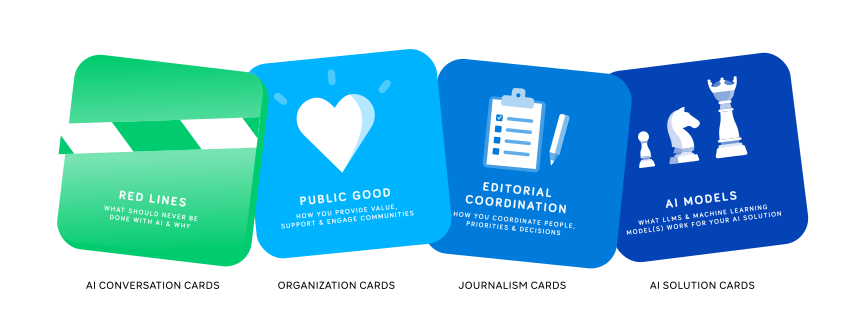
Working notes for newsrooms figuring out AI, together.
The cards help you explore the big questions, map your workflows, and design how you use AI. Each card is one page of shared thinking.
AI is reshaping journalism. This kit helps you think it through.
Artificial intelligence is reshaping journalism, from how stories are discovered and produced to how newsrooms operate and engage with audiences. But navigating this shift is about much more than adopting new tools. Whether you are a seasoned editor or just beginning to explore AI in your work as a journalist, this kit helps you reflect on every dimension of the transformation: from understanding key AI concepts and developments, to assessing workflows, identifying meaningful use cases, building skills, managing risks, and defining ethical boundaries. Developed in collaboration with journalists, AI trainers and media experts from around the world, the kit can be used as a stand-alone tool, or alongside other resources to guide informed innovation.
From the big picture to a working tool
The deck moves with you, whether you are opening a conversation, examining a workflow, or designing something concrete.
Explore the big picture
AI Conversations and Organisation. Align on purpose, skills, hopes, and fears, then look at the foundations of your organization before you reach for tools.
Understand your workflows
Journalism and Perspective. Map the steps of your journalism and use four lenses to spot where time goes and what is worth changing.
Design AI solutions
AI Solutions. Move from an idea to a working prototype: define the problem, the users, the data, the goals, and the risks.
16 experts thought out loud. We kept the notes.
The kit was shaped by journalists and AI experts from around the world. Their points of view run through the whole library, card by card.
“Start with the pain, not the tool. Observe your newsroom's workflow: what repetitive task consumes hours, what data goes unanalyzed? The best AI project solves a real, felt need, not a theoretical opportunity that impresses management.”
“Which AI tools, and which professional skills, help recognize fake videos and images generated by AI?”
“Identify what AI should never do in your newsroom. AI has no sense of consequences, so editorial oversight still matters.”
Each card is a prompt, not an answer
The cards don't tell you what to think. They give you and your colleagues a shared starting point and help make sure nothing important gets overlooked. Six ways to put them on the table.
Discuss
Spread the cards on the table and use them as conversation starters to give an open discussion more structure.
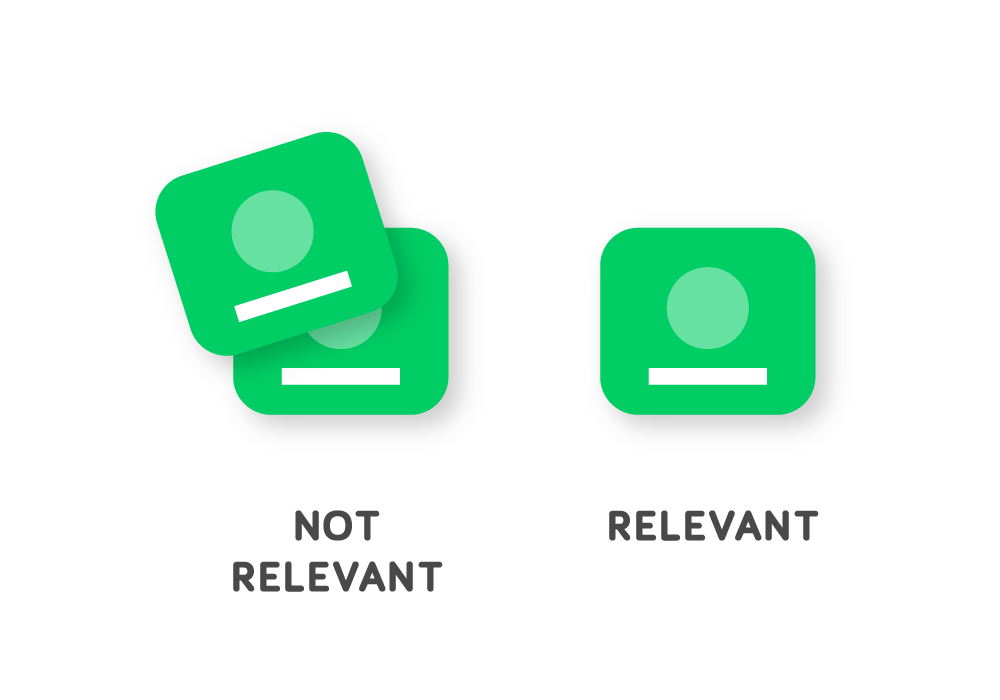
Sort
Short on time? Sort the cards into piles based on your own criteria to see what matters most.
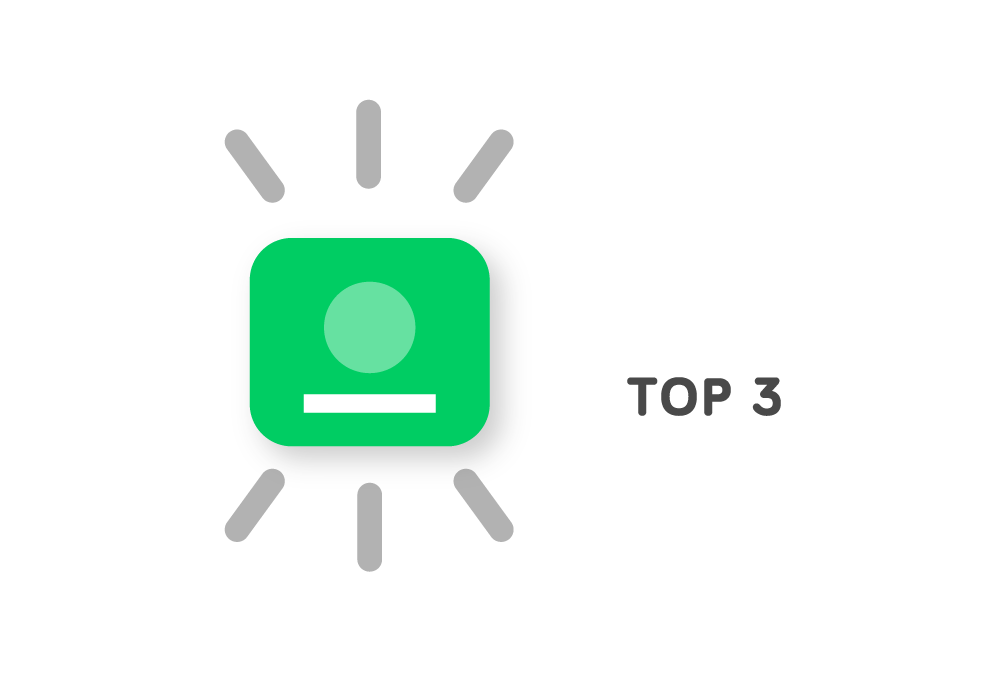
Prioritize
Rank the cards from highest to lowest, or pick your top three, to focus where you can have the most impact.
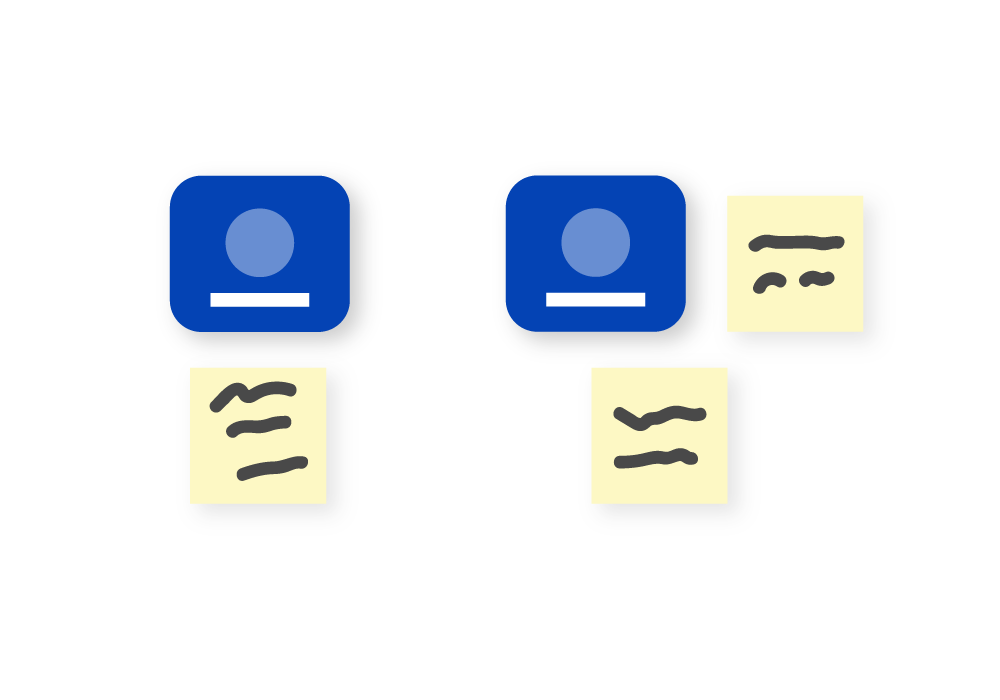
Cluster
Choose the cards you want to focus on and lay them out. Use sticky notes to capture thoughts around each one.
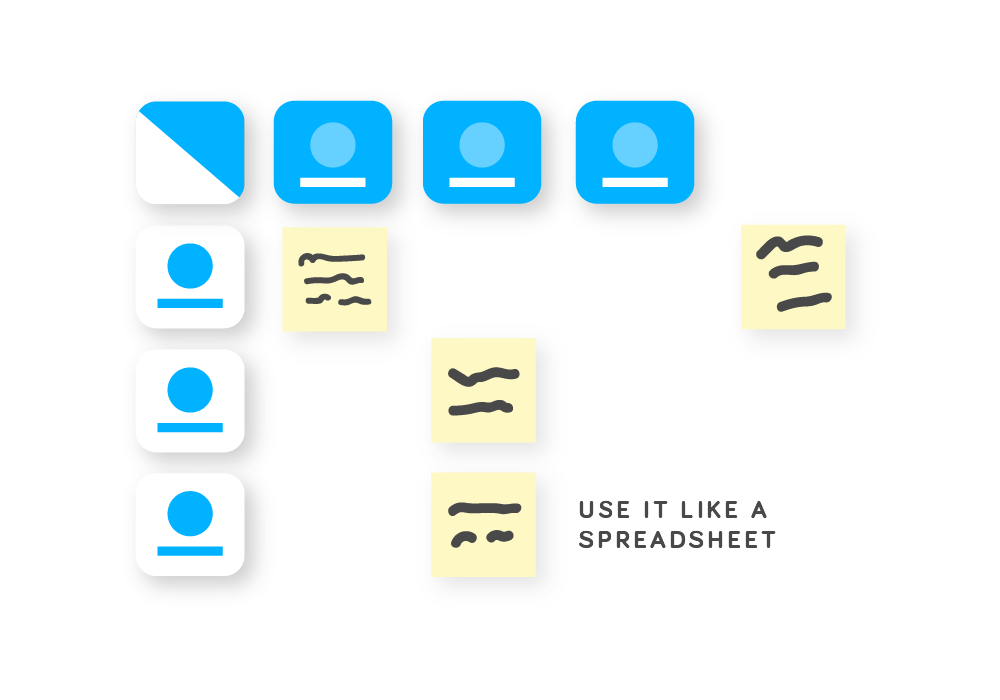
Create a grid
Place the cards on two axes to find what is most important or what to do next.
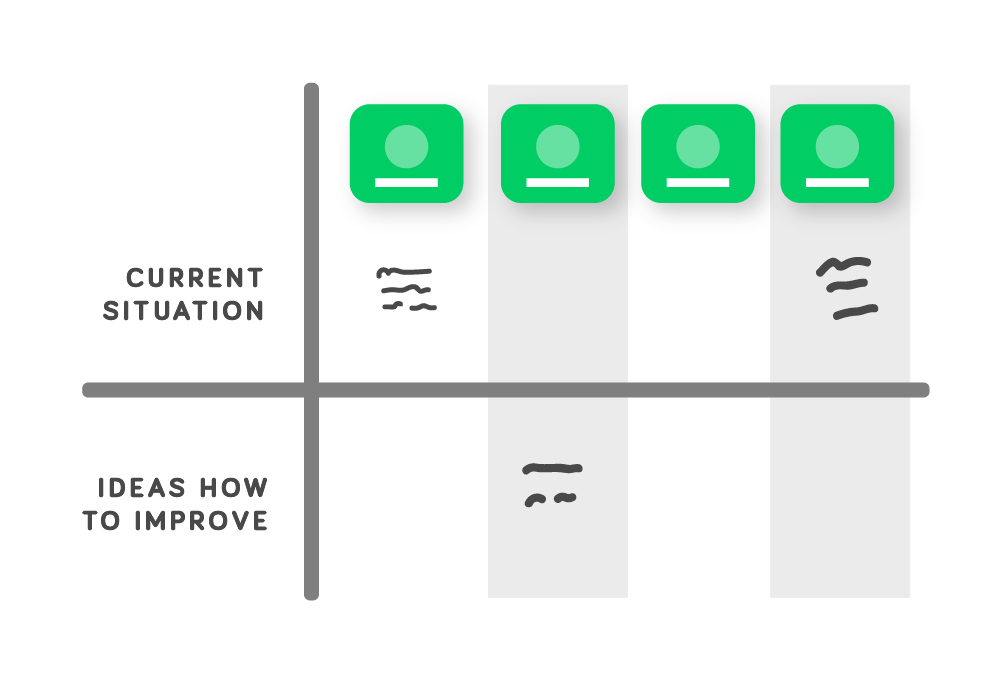
Create a long table
Line the cards up as prompts and add rows: current situation, ideas to improve, open questions, next steps.
The people behind the kit
Developed by DW Akademie and MethodKit, with the insights, contributions and feedback of journalists and AI experts from around the world.
Lead authors
Barbara Gruber
DW Akademie
Ola Möller
MethodKit
Authors
Mwende Mukwanyaga
AI Salon
Peter Deselaers
DW Akademie
Experts
Start a conversation in your newsroom
Open the library, or download the full deck and print it.